|
Wednesday, June 17, 2026 | 3:30 – 4:30 p.m. | Free Webinar for Members
The California Supreme Court’s landmark decision in J.O. v. Superior Court (May 28, 2026) rewrites the rules on peremptory judicial challenges — and criminal defense attorneys and public defender offices need to understand what’s changed. For nearly 50 years, section 170.6 challenges were automatic and unreviewable. Now, courts can look behind a pattern of challenges and demand a case-specific, good-faith basis for disqualification.
Defense attorneys may now have a powerful new tool to challenge DA offices that have been systematically disqualifying judges favorable to the defense, whether on suppression motions, bail, or sentencing, by objecting and forcing prosecutors to justify each challenge on its own merits. But public defender offices, which often handle enormous caseloads before the same judges, must also take stock of their own 170.6 practices to ensure they aren’t vulnerable to the same scrutiny from the other side.
Join us for a free statewide webinar examining what J.O. means in practice: how the new burden-shifting framework applies in criminal cases, what risks public defender offices face in high-volume dockets, and how to use this decision offensively on behalf of your clients.
What You’ll Learn
|
The J.O. Decision Explained
What the California Supreme Court held, why it overruled Solberg (1977), and how the new three-step burden-shifting framework for contesting blanket 170.6 challenges actually works in practice.
|
|
|
Using J.O. Offensively
How to challenge DA offices that have been systematically papering judges favorable to the defense — and how to force prosecutors to justify each 170.6 challenge on its own merits on suppression, bail, and sentencing.
|
|
|
Risks for Public Defender Offices
How the ruling applies to high-volume PD dockets, what 170.6 practices may now expose your office to challenge from the other side, and what it means to show a “good-faith belief in prejudice” under the new standard.
|
|
|
Best Practices Going Forward
How to audit your office’s 170.6 practices, protect individual clients under the new framework, and respond when the other side objects to a pattern of challenges in your jurisdiction.
|
|
Panelists
 Albert J. Menaster Head Deputy PD, Appellate Unit Los Angeles County ⓘ Bio Albert J. Menaster Head Deputy PD, Appellate Unit Los Angeles County ⓘ Bio |
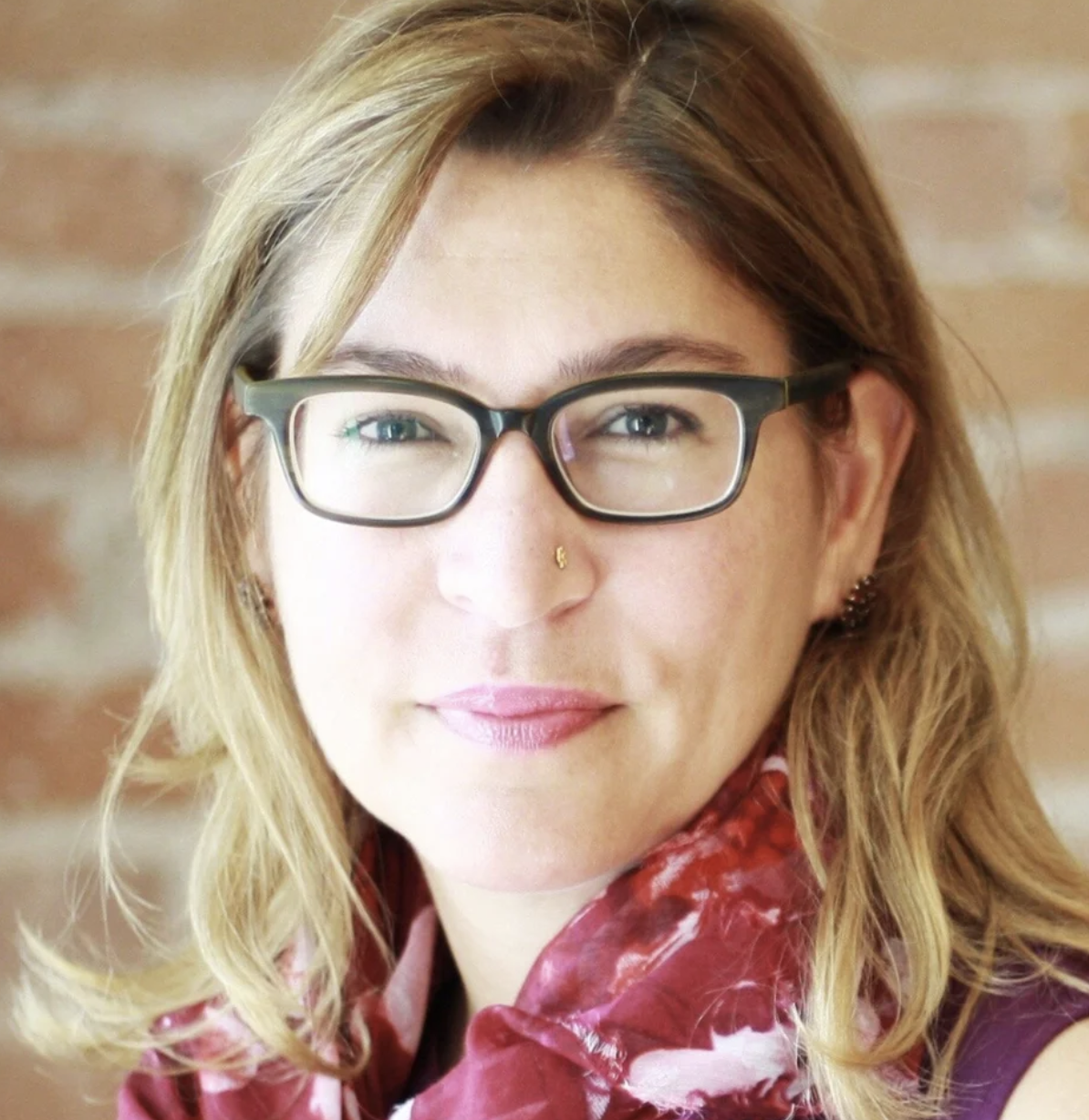 Kathleen Guneratne Public Defender Alameda County ⓘ Bio Kathleen Guneratne Public Defender Alameda County ⓘ Bio |
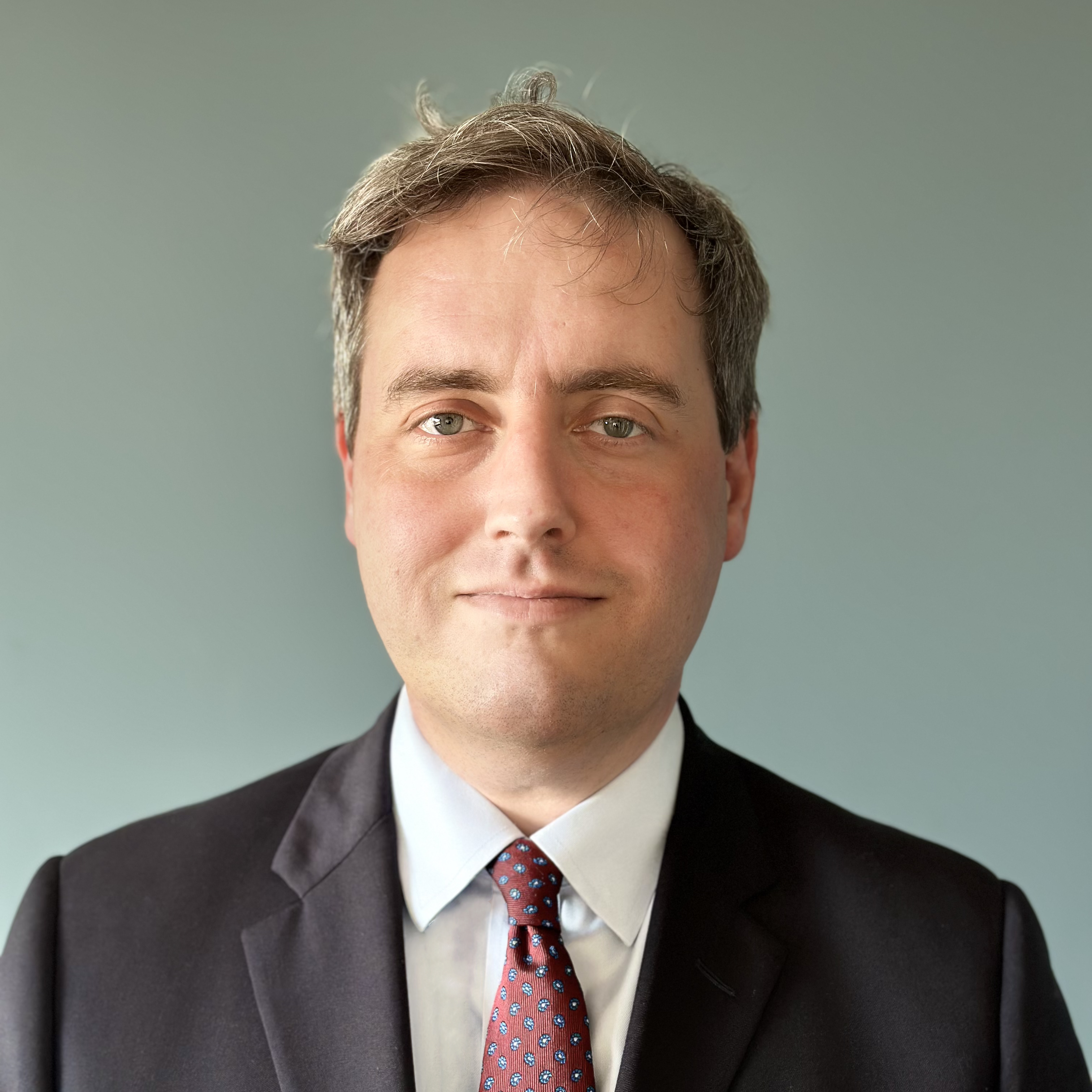 Oliver Kroll Deputy PD, Research Unit San Francisco County ⓘ Bio Oliver Kroll Deputy PD, Research Unit San Francisco County ⓘ Bio |
1.0 Participatory MCLE Hour | Free for CPDA Members / $30.00 for Non-Members
Register Here → |